
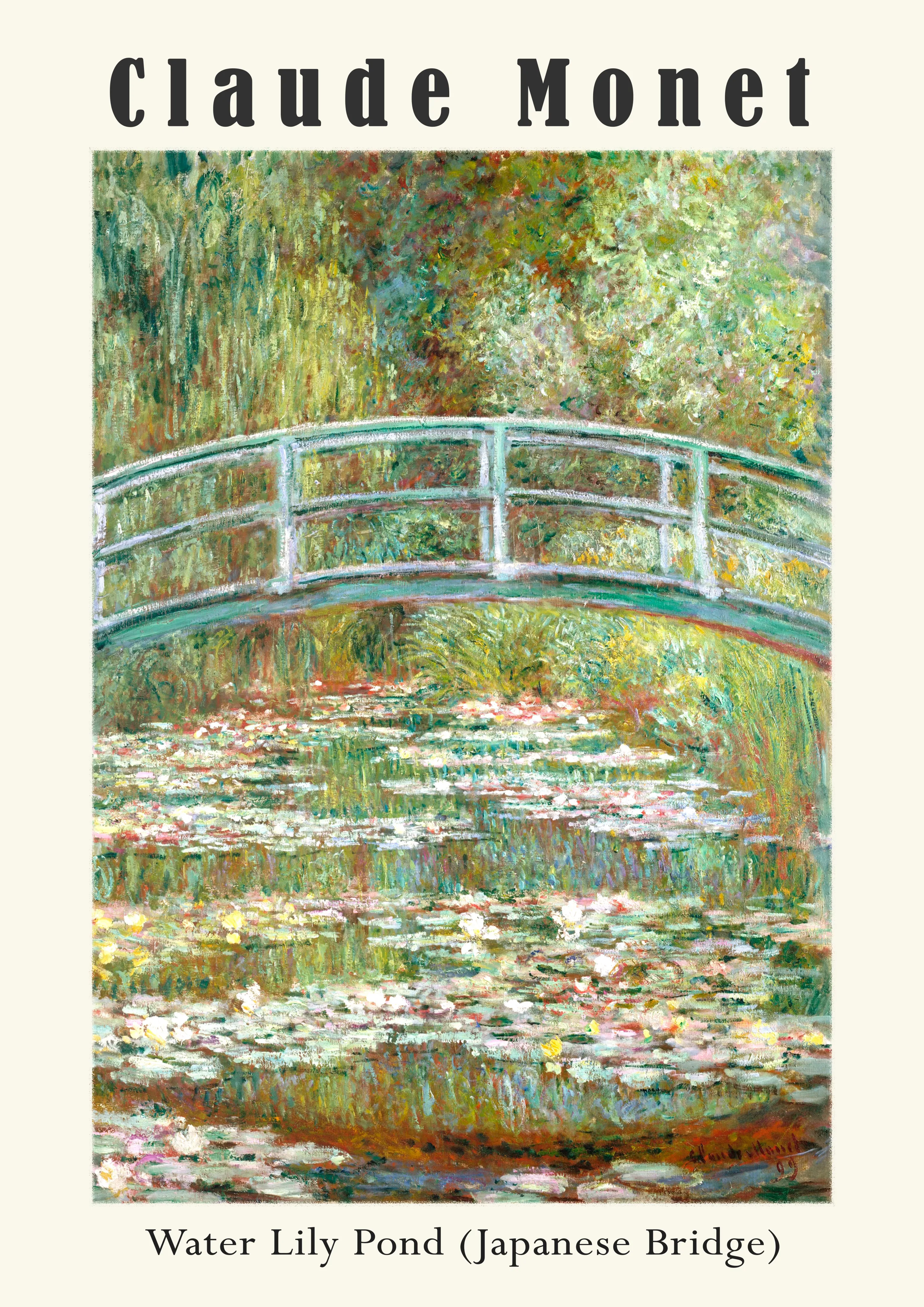
Water Lily Pond (Japanese Bridge)
Claude Monet
FromNow €5.00Was €6.00
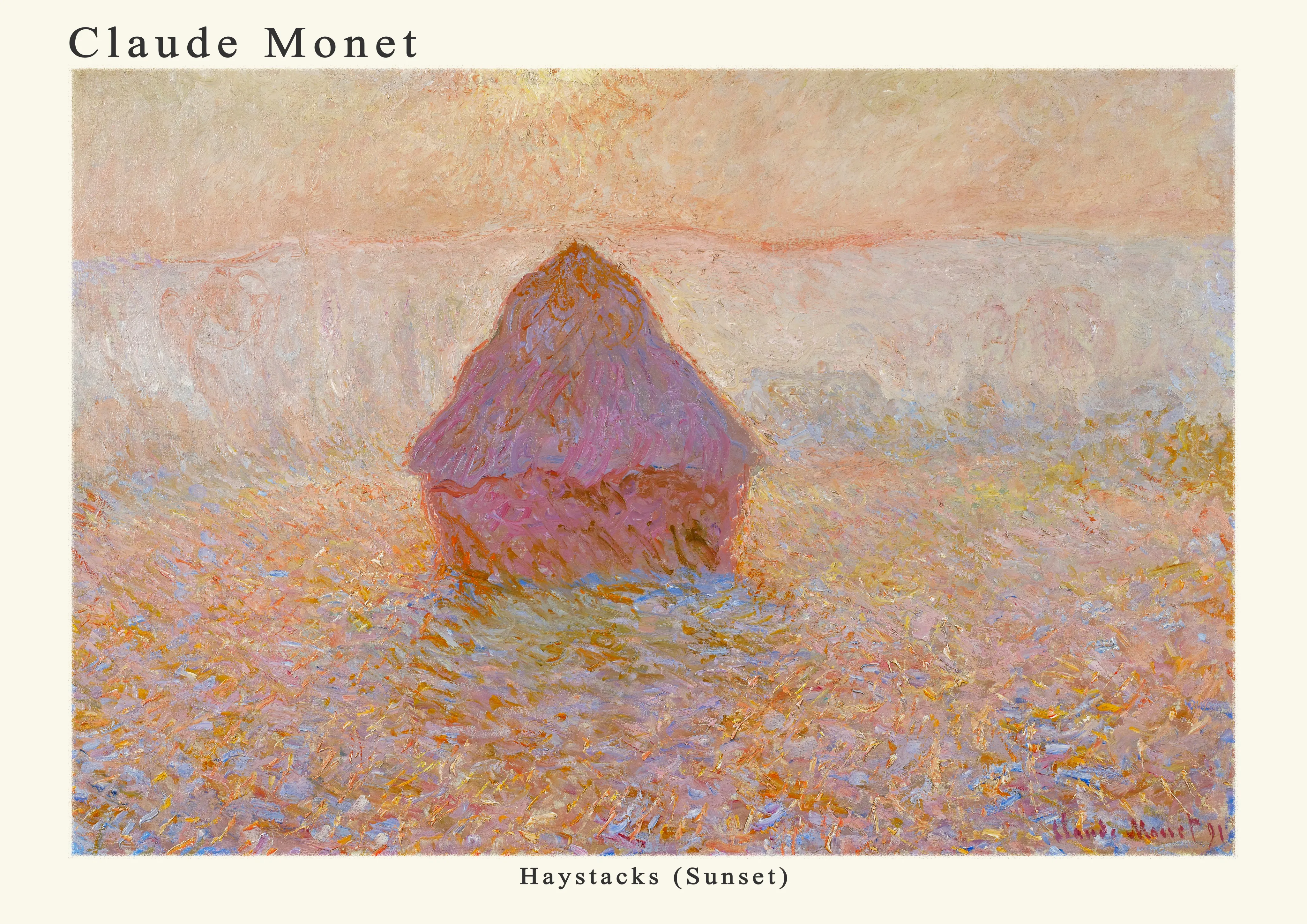
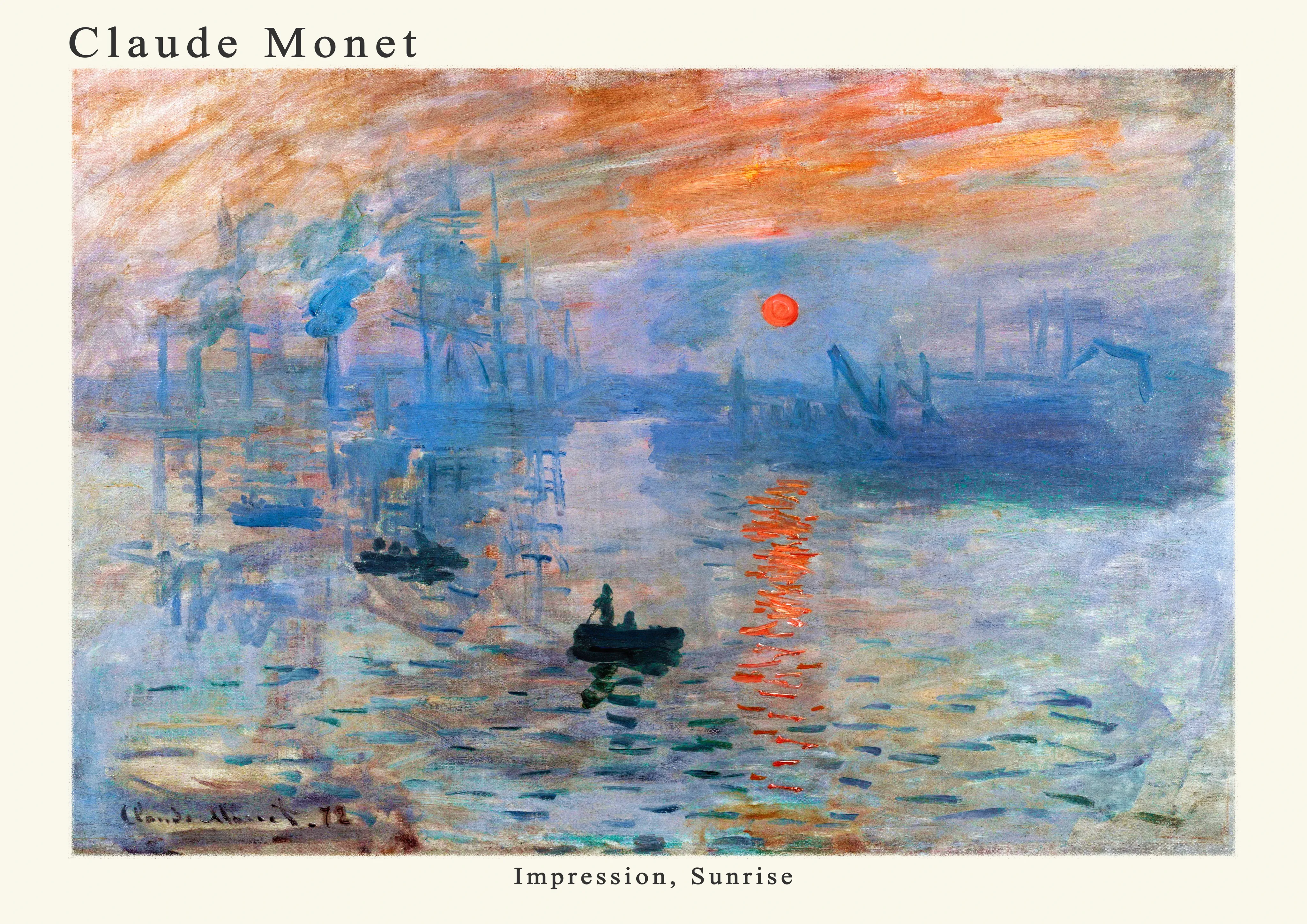
Claude Monet (1840–1926) gave Impressionism its name with “Impression, Sunrise”. These are the motifs he returned to again and again: the water lilies and Japanese bridge at Giverny, the haystacks, the Houses of Parliament and his sunflowers.
Claude Monet
FromNow €5.00Was €6.00
Claude Monet
FromNow €5.00Was €6.00
Claude Monet
FromNow €5.00Was €6.00
Claude Monet
FromNow €5.00Was €6.00
Claude Monet
FromNow €5.00Was €6.00
Claude Monet
FromNow €5.00Was €6.00
Claude Monet
FromNow €5.00Was €6.00
Claude Monet
FromNow €5.00Was €6.00
Claude Monet
FromNow €5.00Was €6.00
Claude Monet
FromNow €5.00Was €6.00
Claude Monet
FromNow €5.00Was €6.00
Claude Monet
FromNow €5.00Was €6.00
Claude Monet
FromNow €5.00Was €6.00
Claude Monet
FromNow €5.00Was €6.00
Try removing one — the counts beside each option say how many prints it would leave.
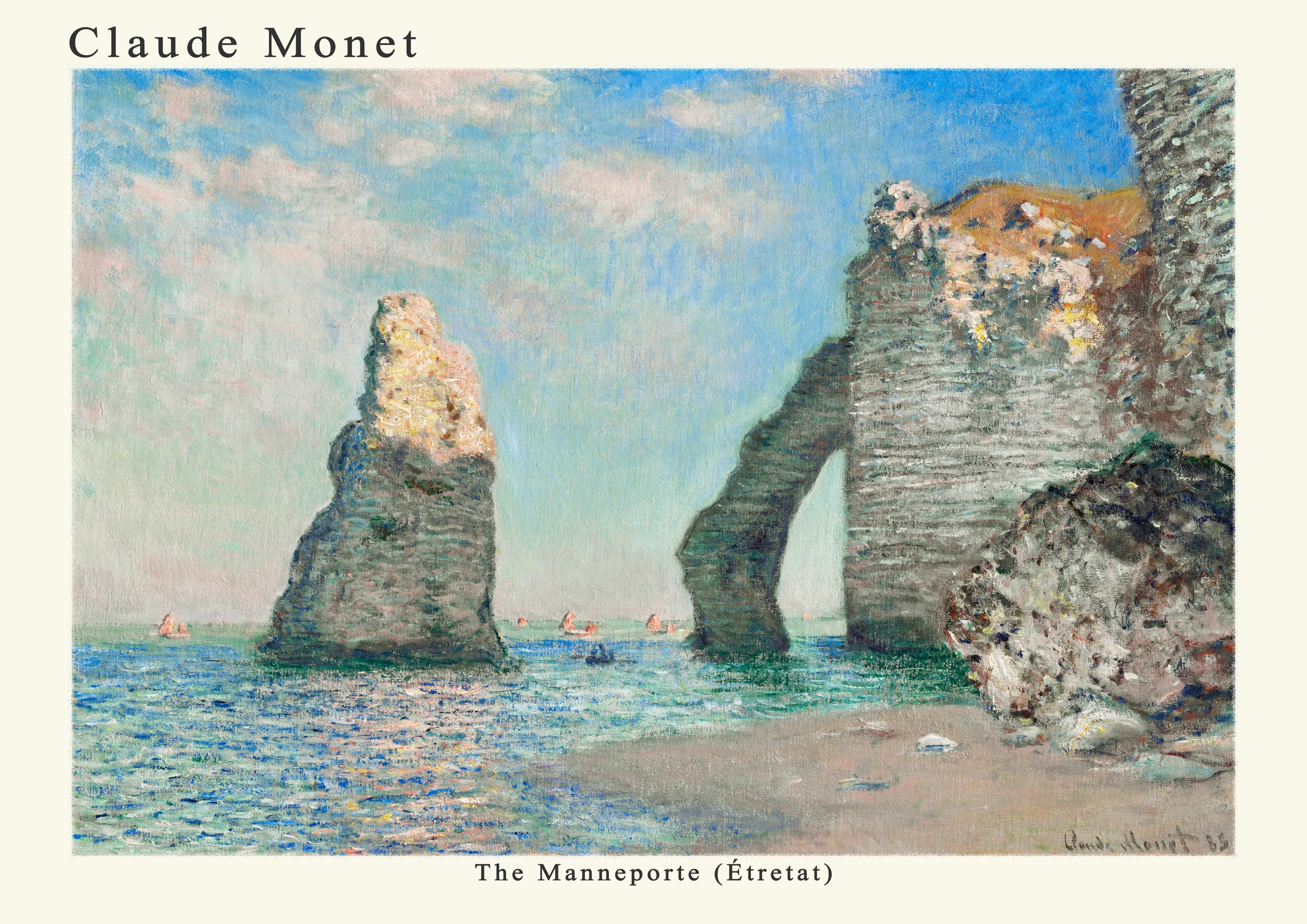
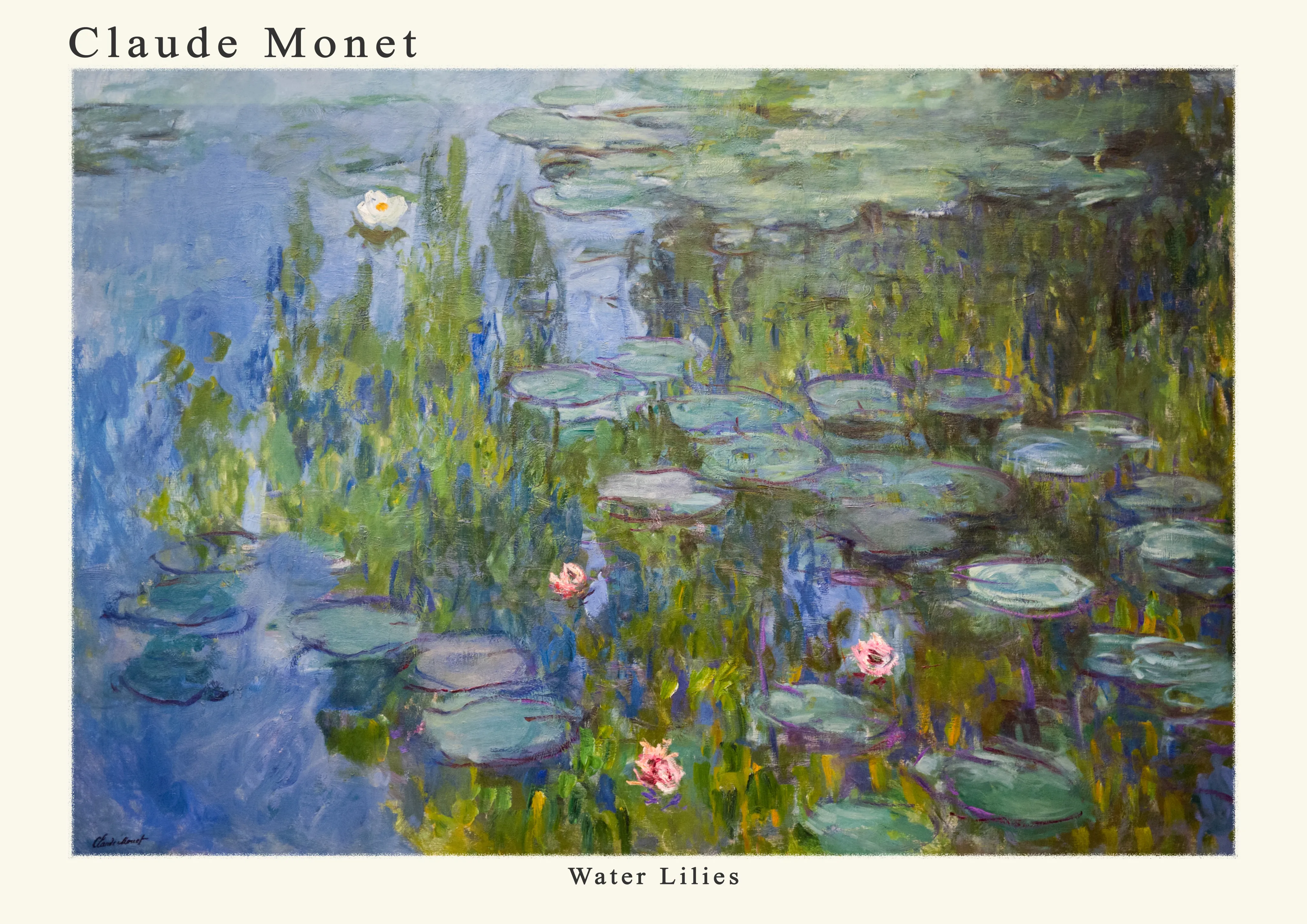
Clear allMonet worked outdoors and painted the same motif at different times of day as the light changed. He lived at Argenteuil in the 1870s, then at Vétheuil, and from 1883 at Giverny, where he laid out the water garden of “Water Lilies” and “Water Lily Pond (Japanese Bridge)”.
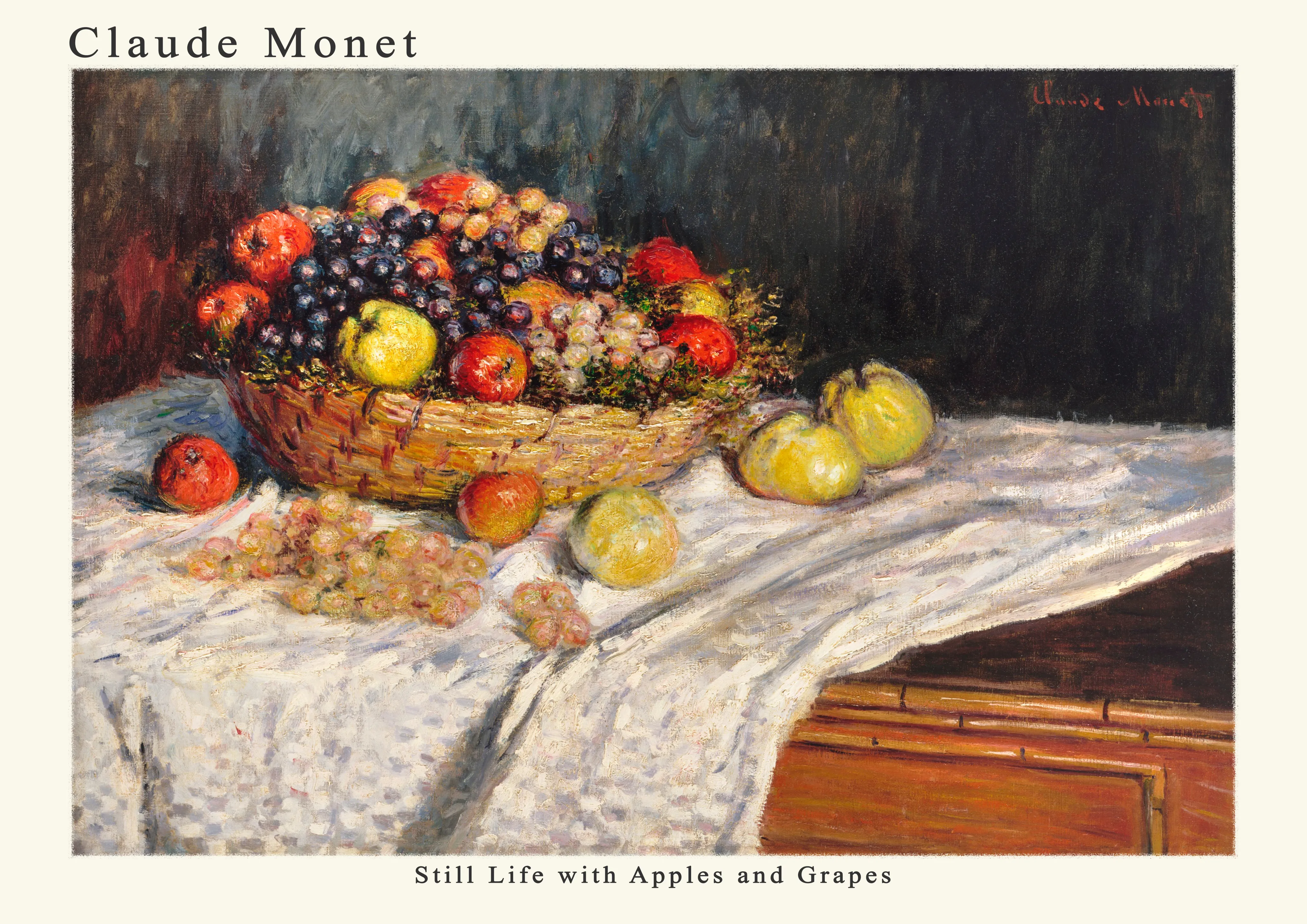
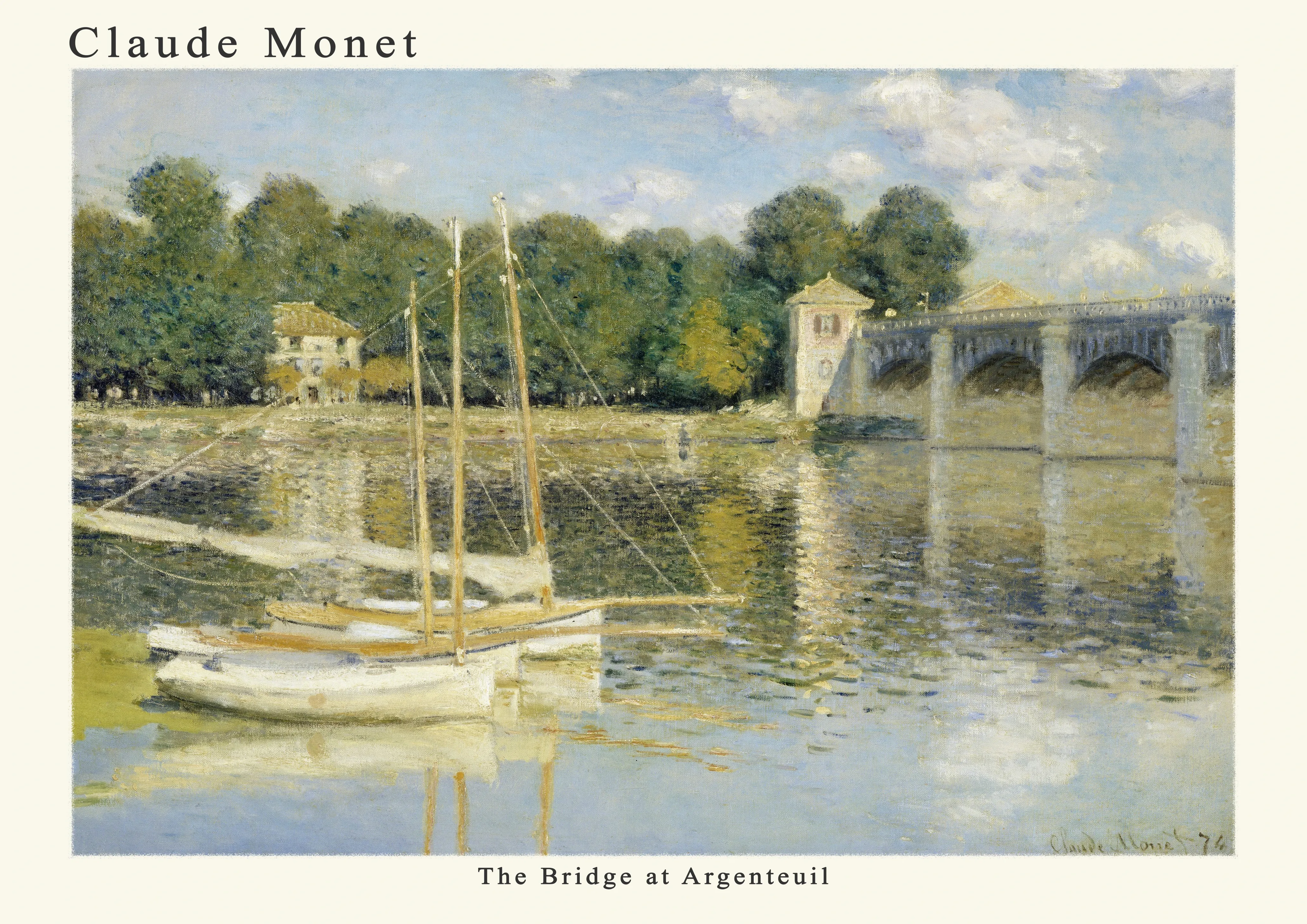
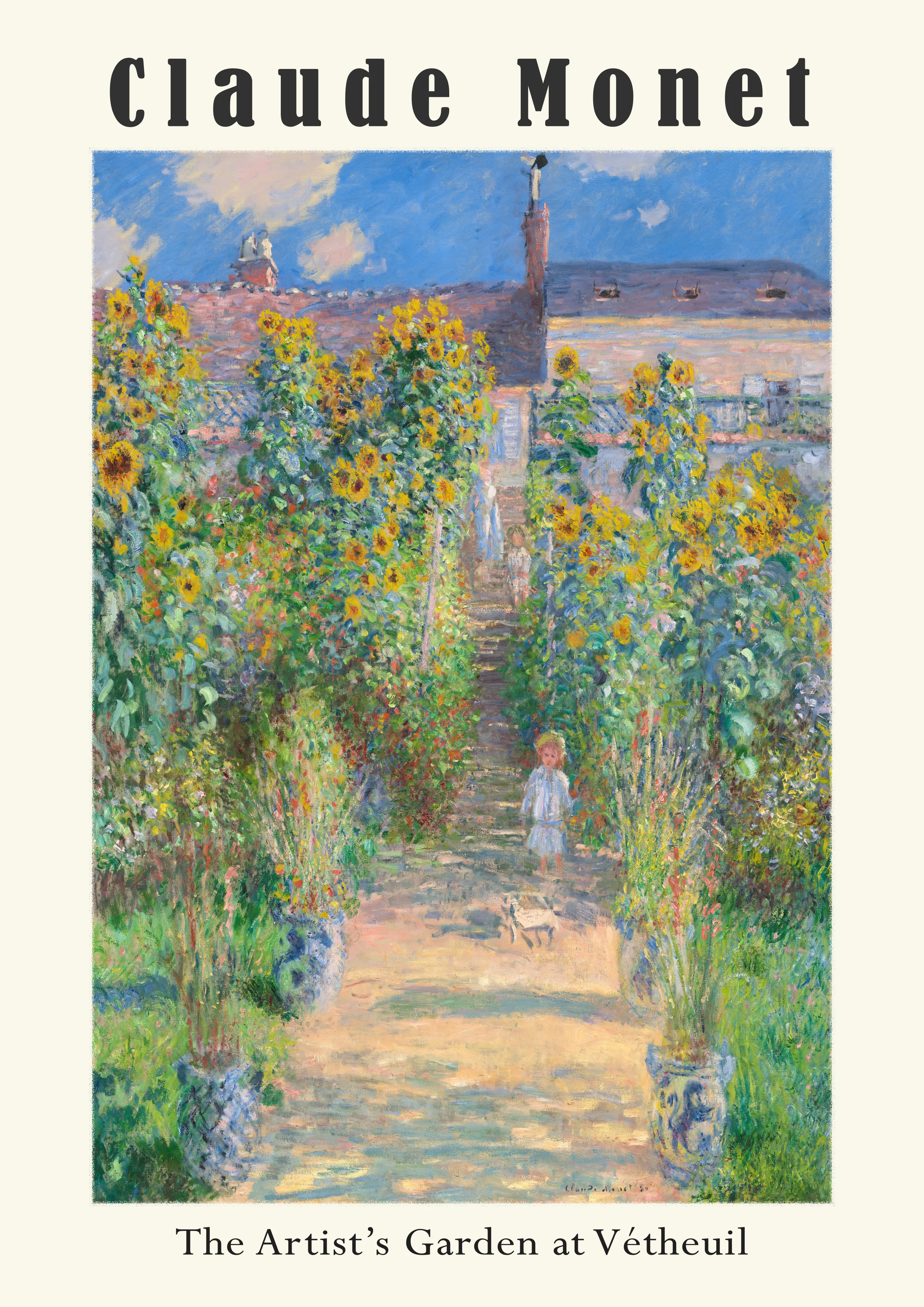
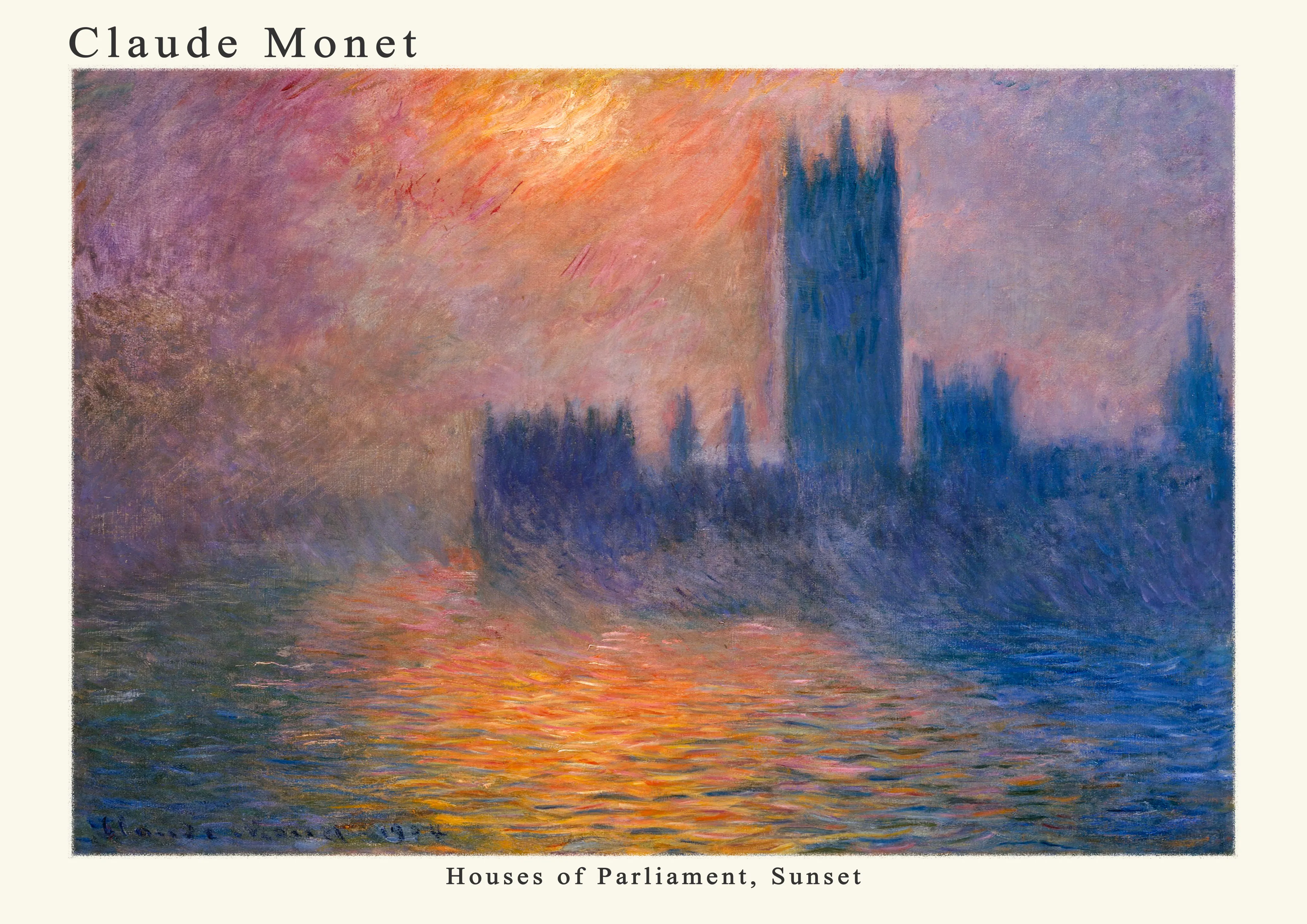
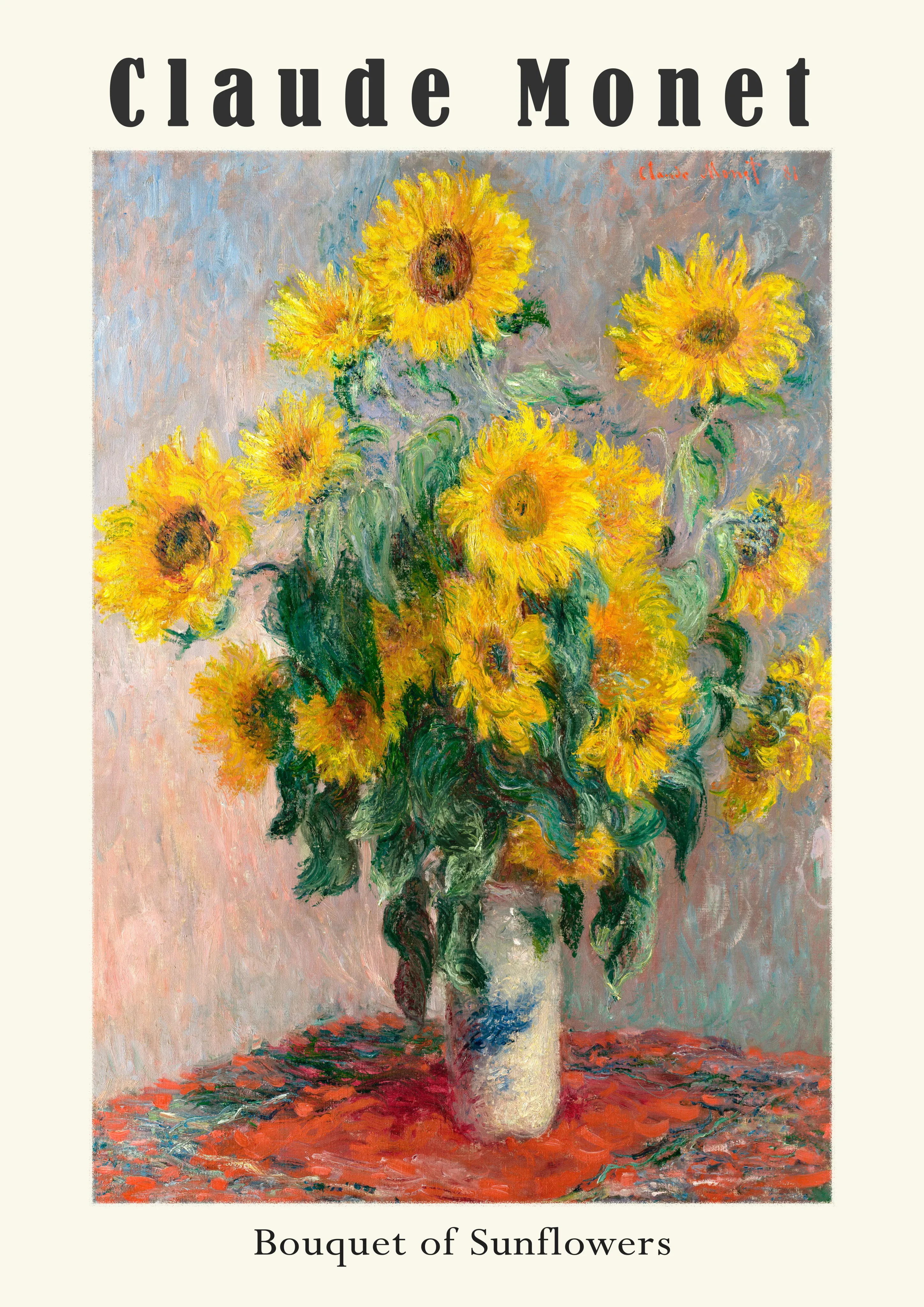
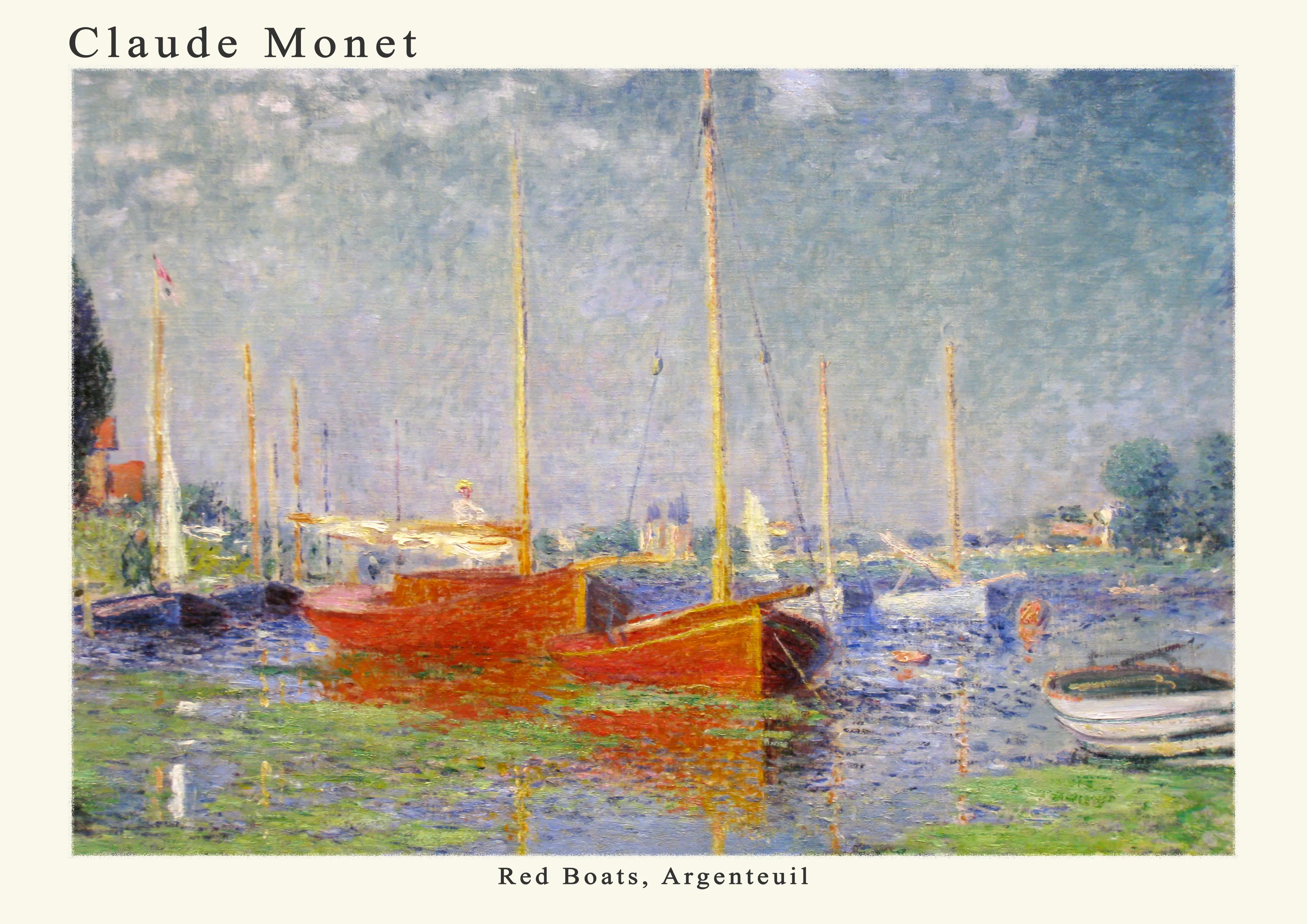
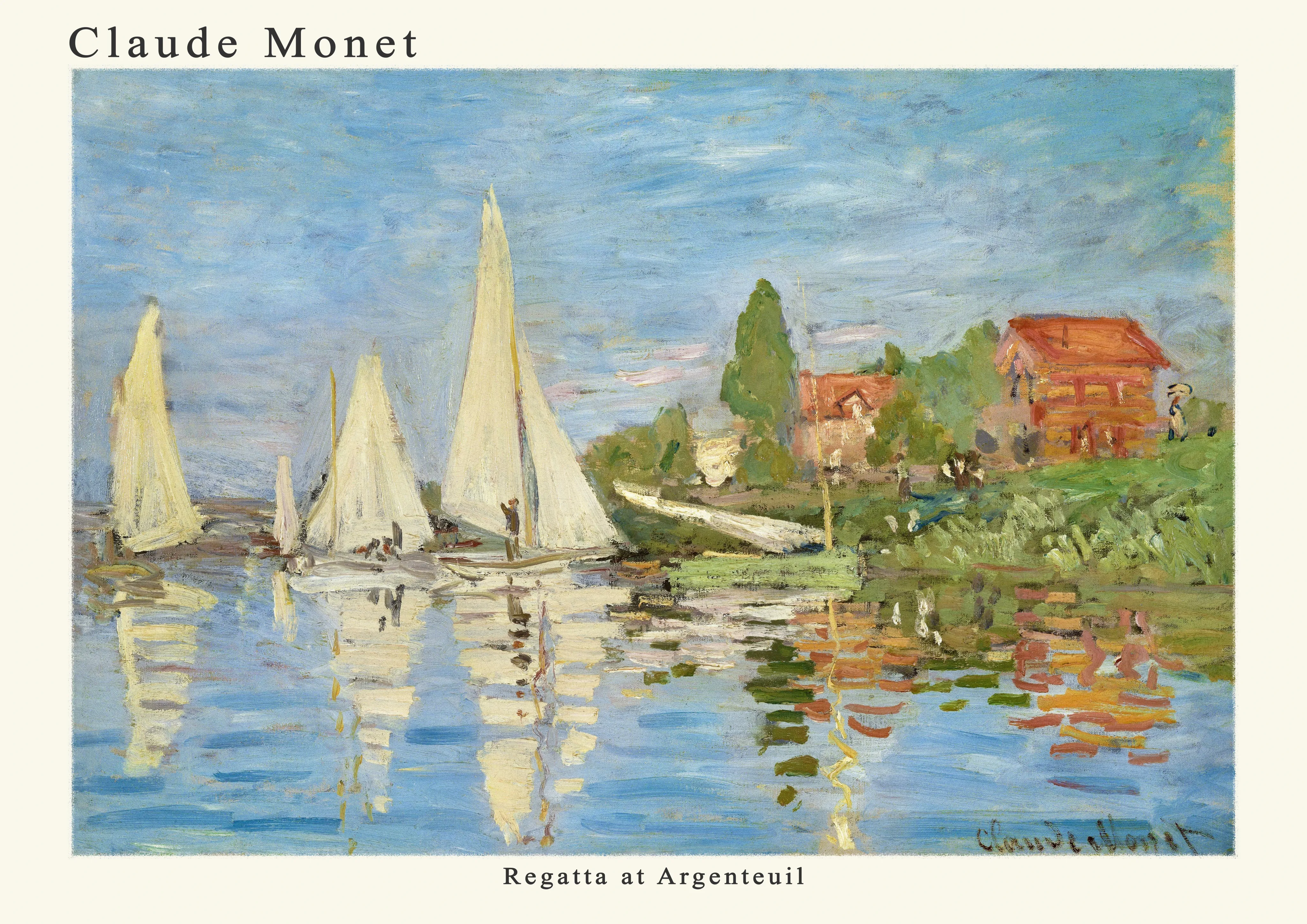
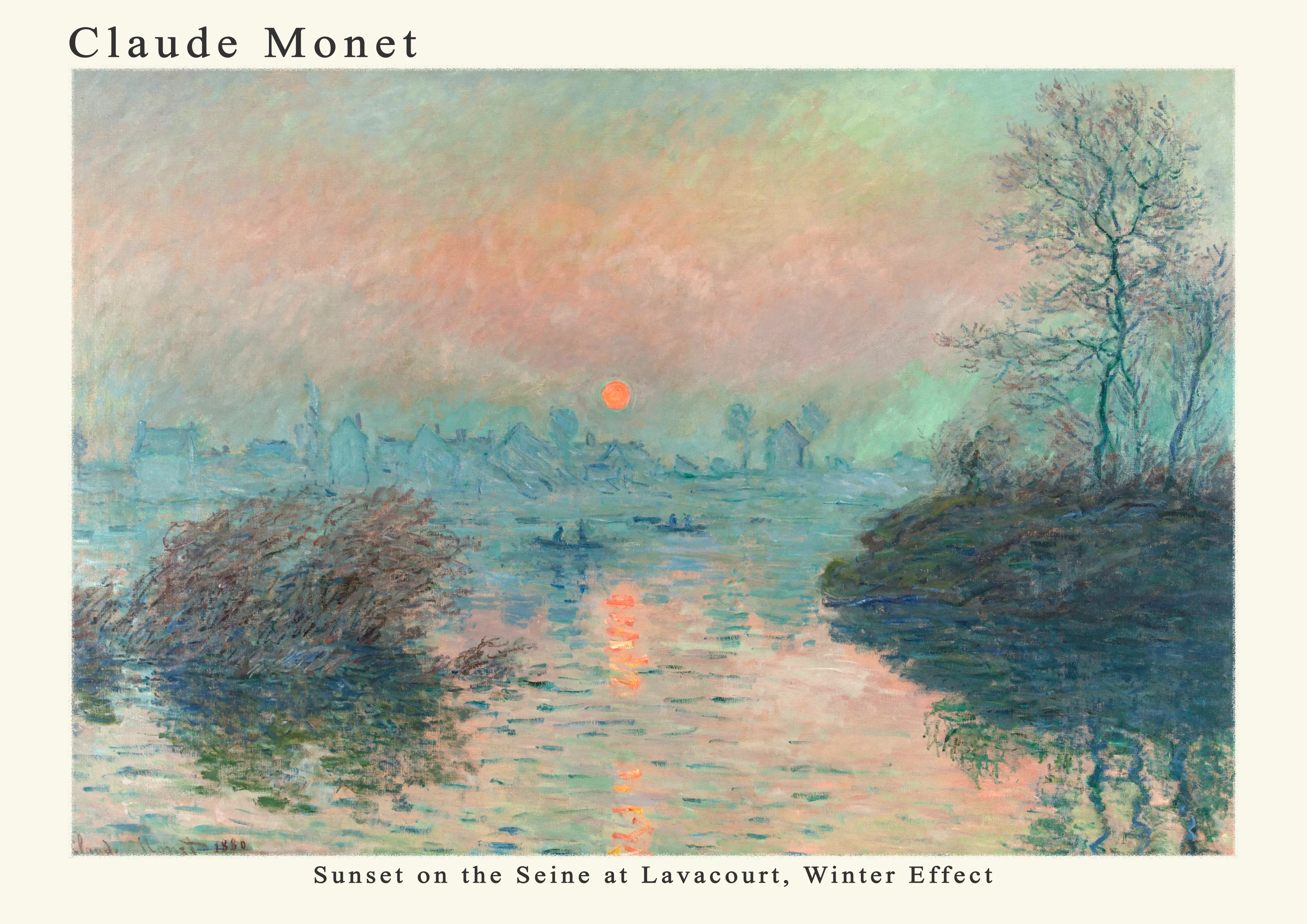
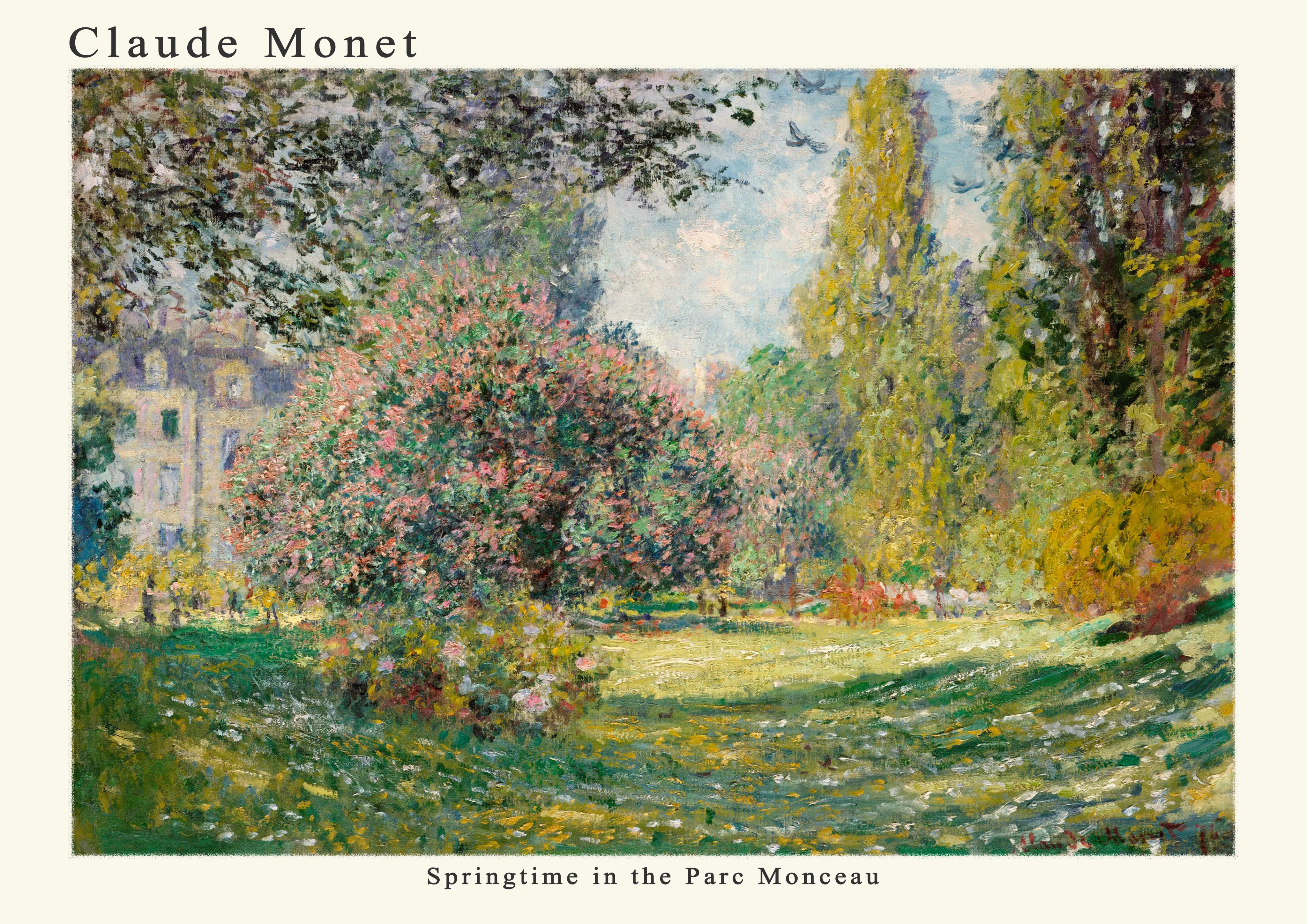
The Argenteuil pictures show the Seine with its bridge, red boats and a regatta; “The Artist’s Garden at Vétheuil” and the winter sunset at Lavacourt follow. Further afield are the cliffs at Étretat, the Parc Monceau in Paris and Parliament in London, while “Impression, Sunrise” looks across the harbour of Le Havre. Two still lifes, of apples and grapes and of sunflowers, complete the selection. The paintings are reproduced as giclée prints with pigment inks, made to order in Berlin in sizes A4 to A0, on matte 210 g/m² fine art paper or 400 g/m² cotton canvas.