
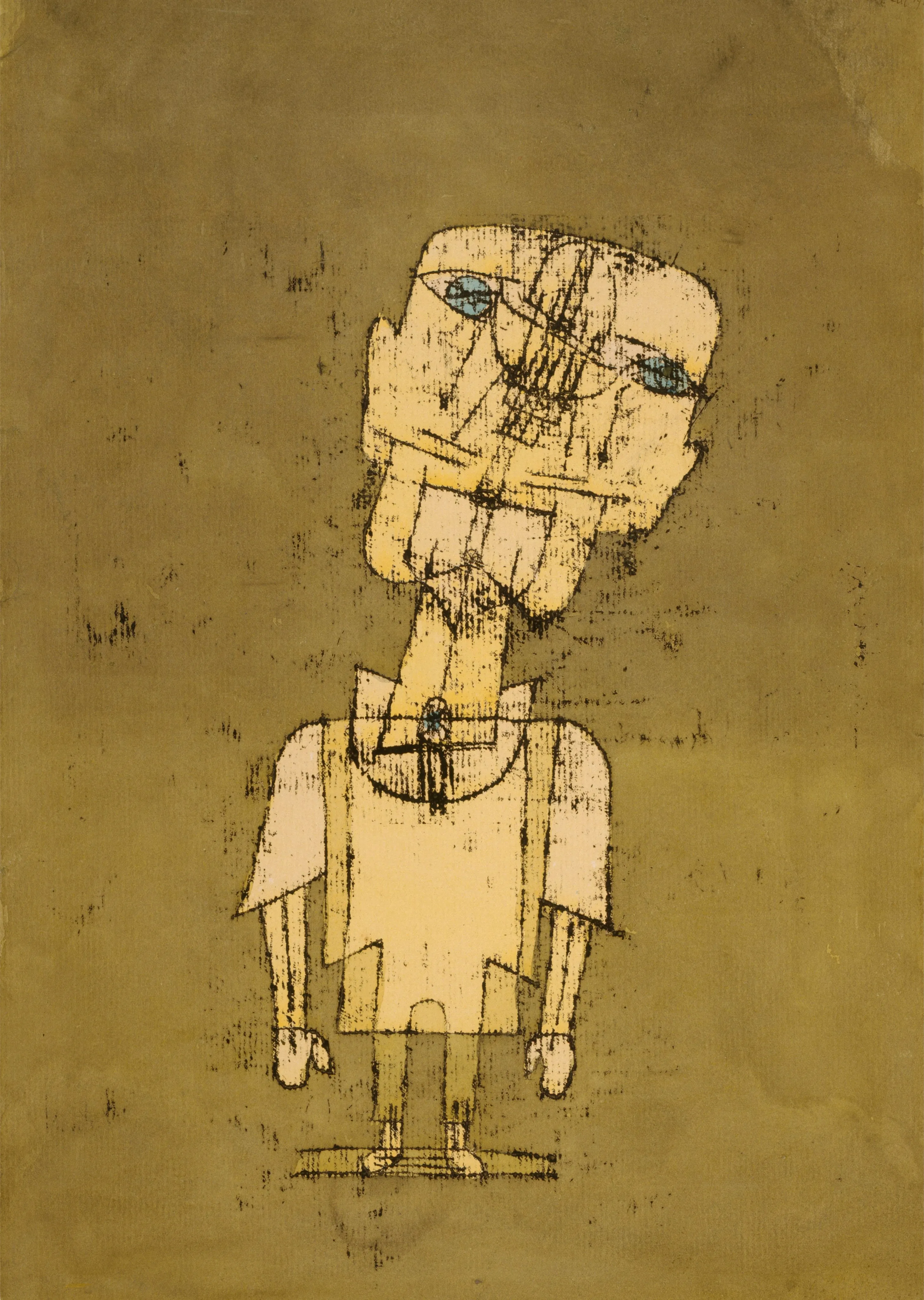
Ghost of a Genius
Bauhaus
FromNow €5.00Was €6.00
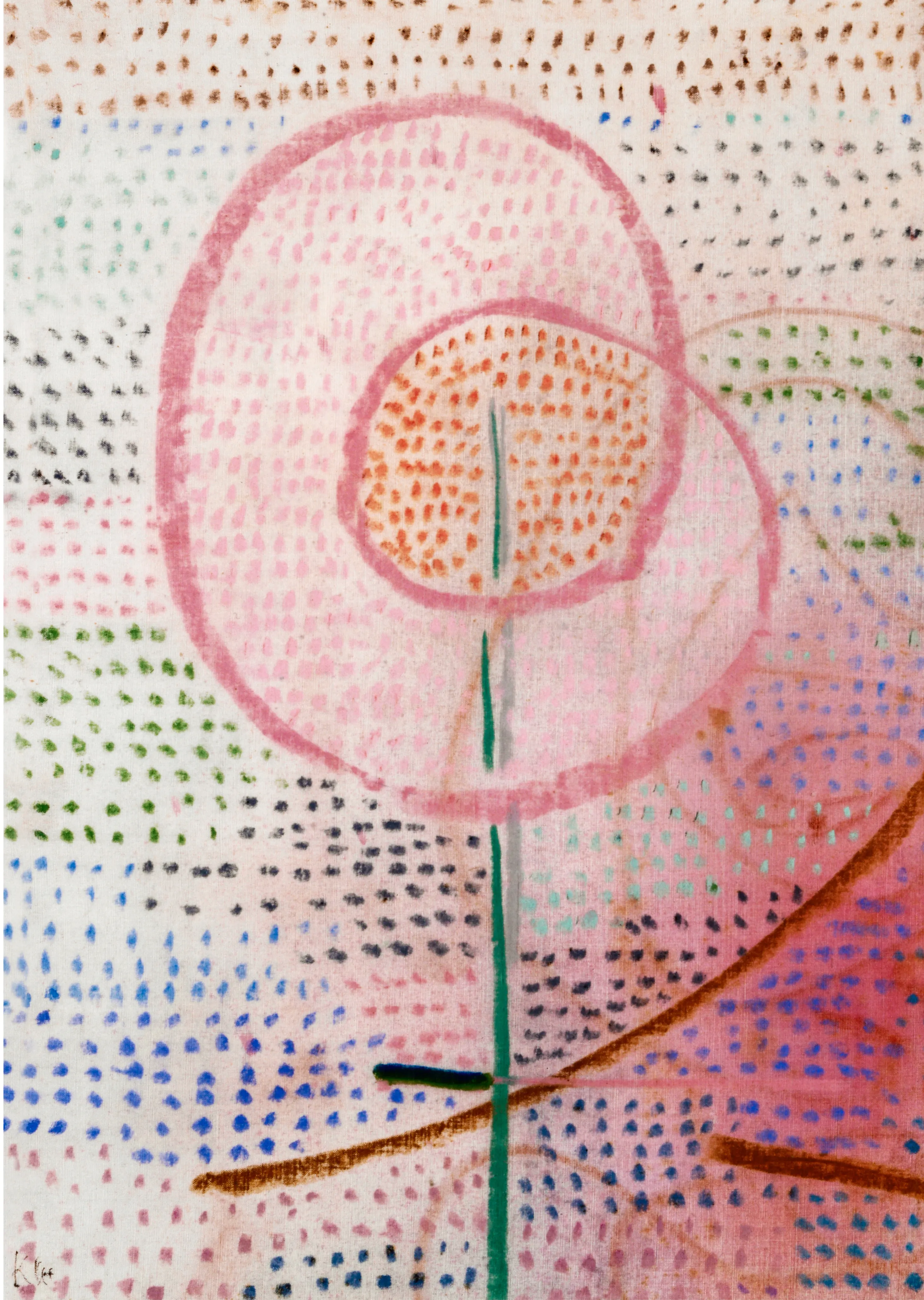
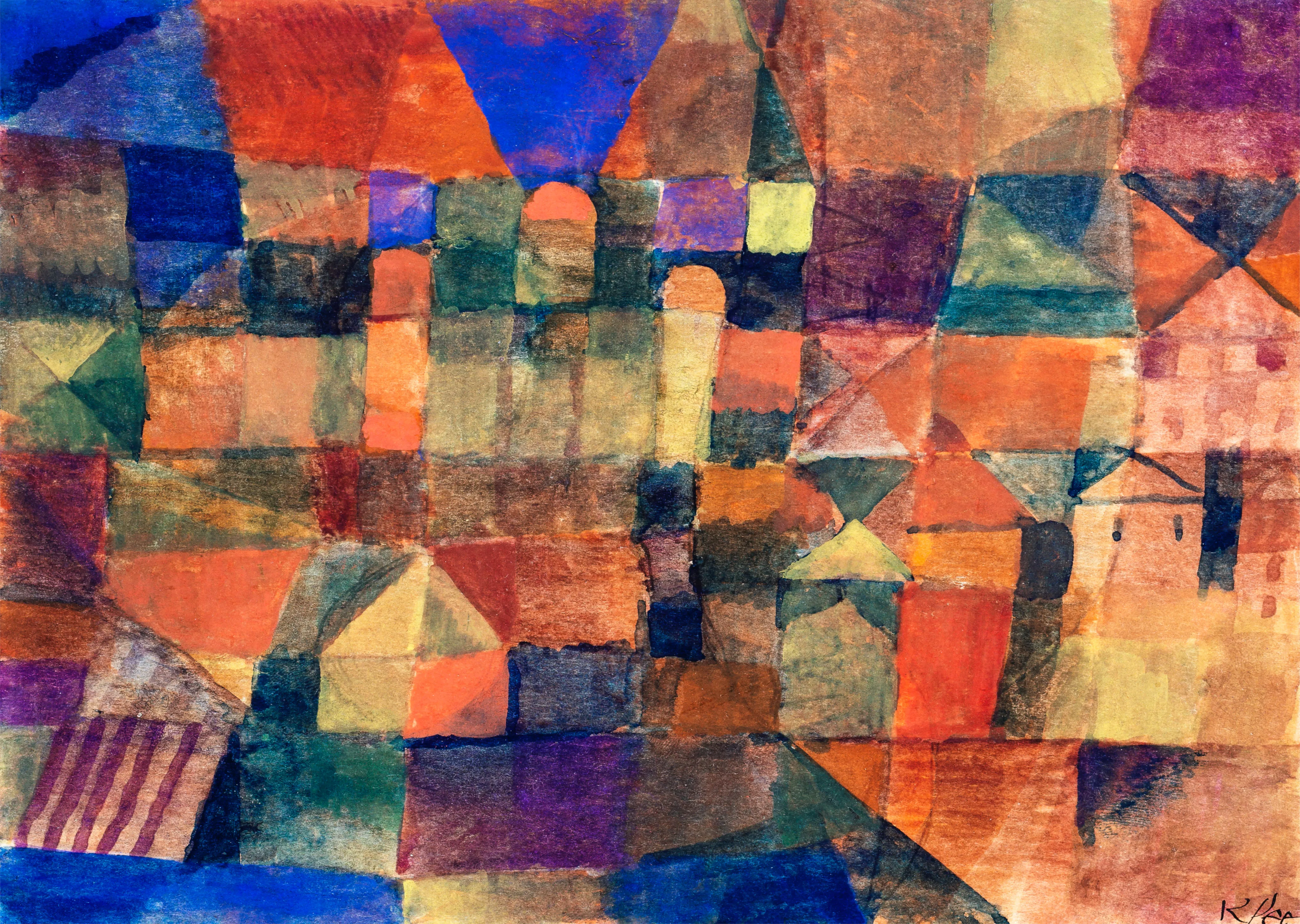
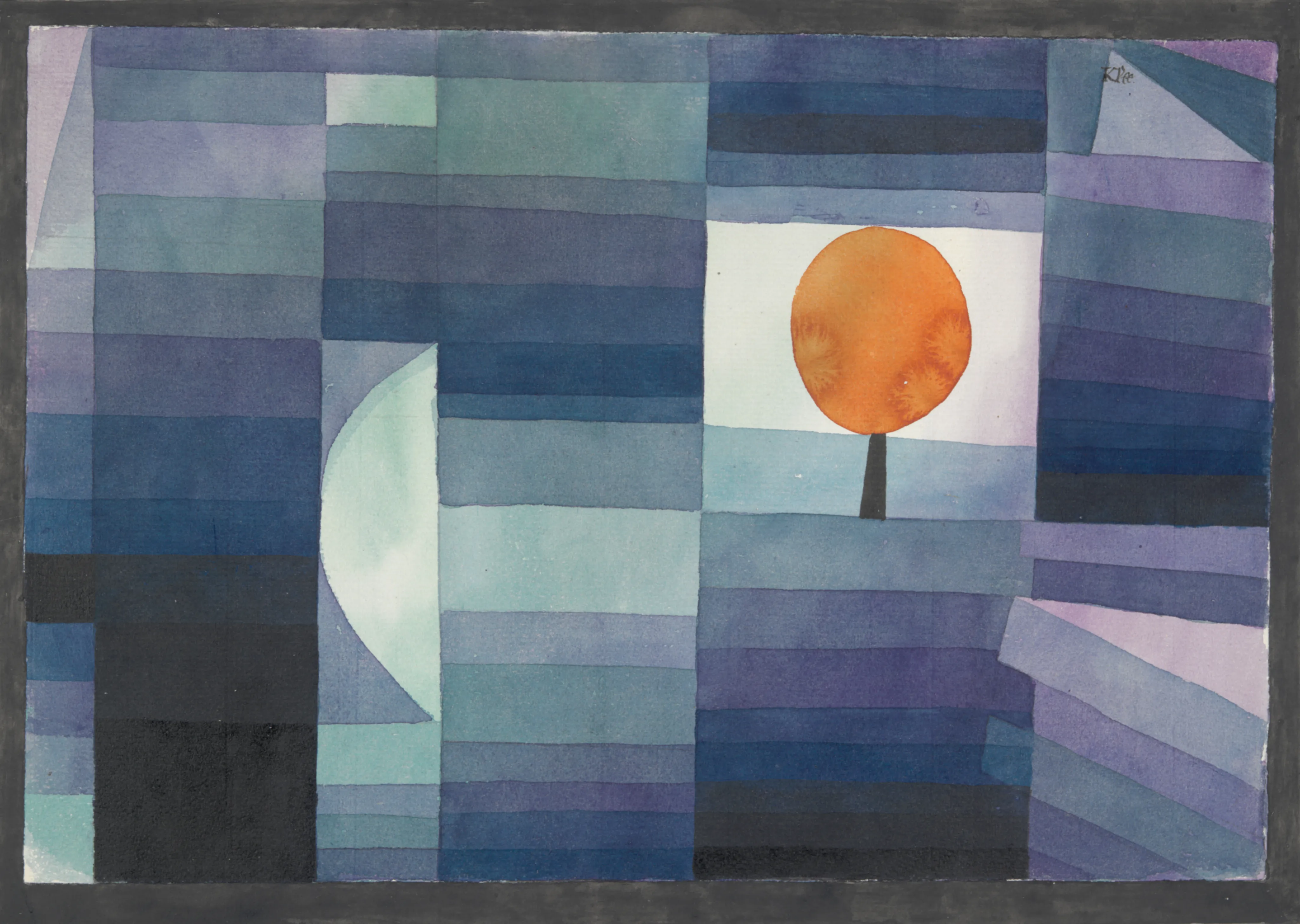
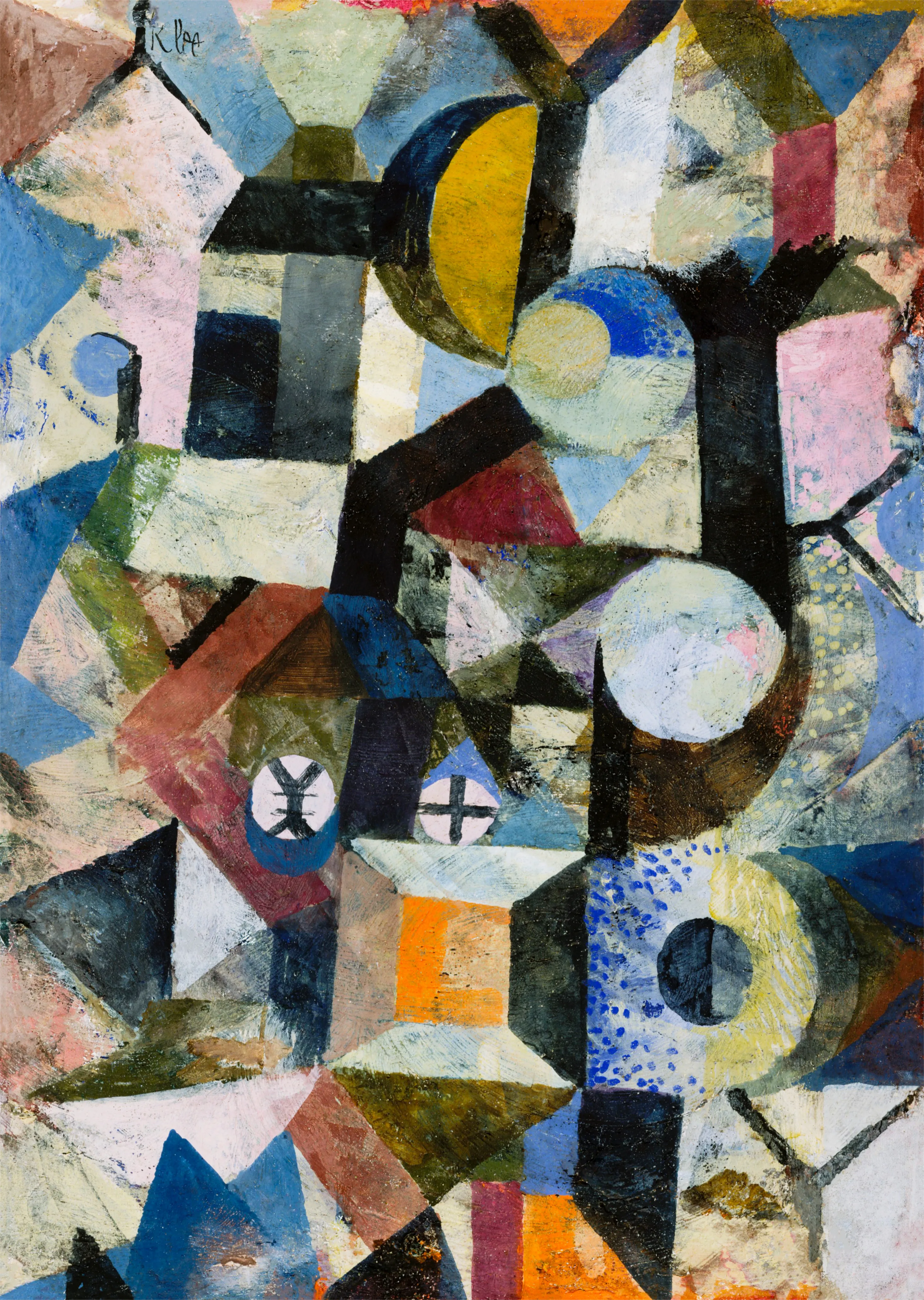
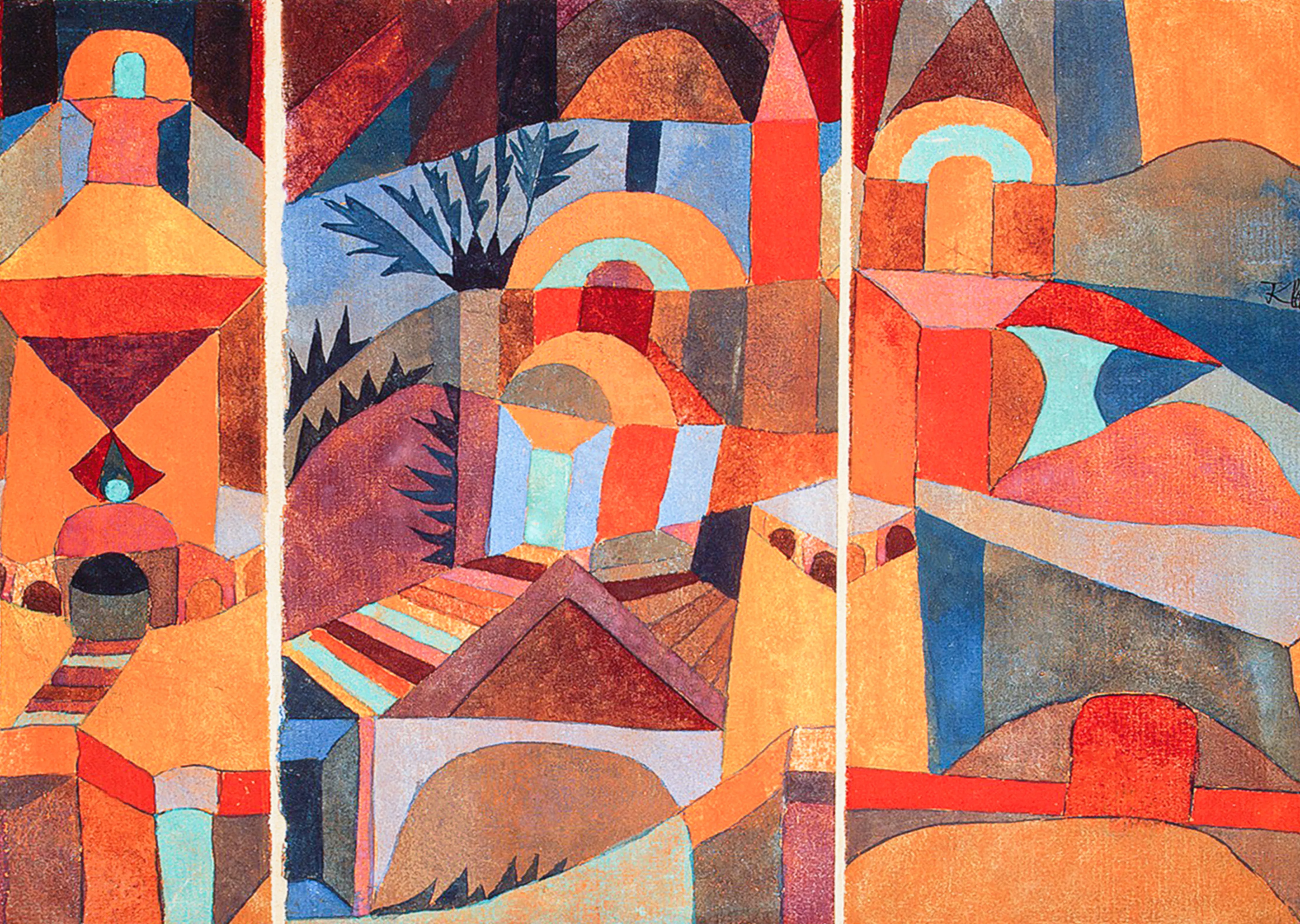
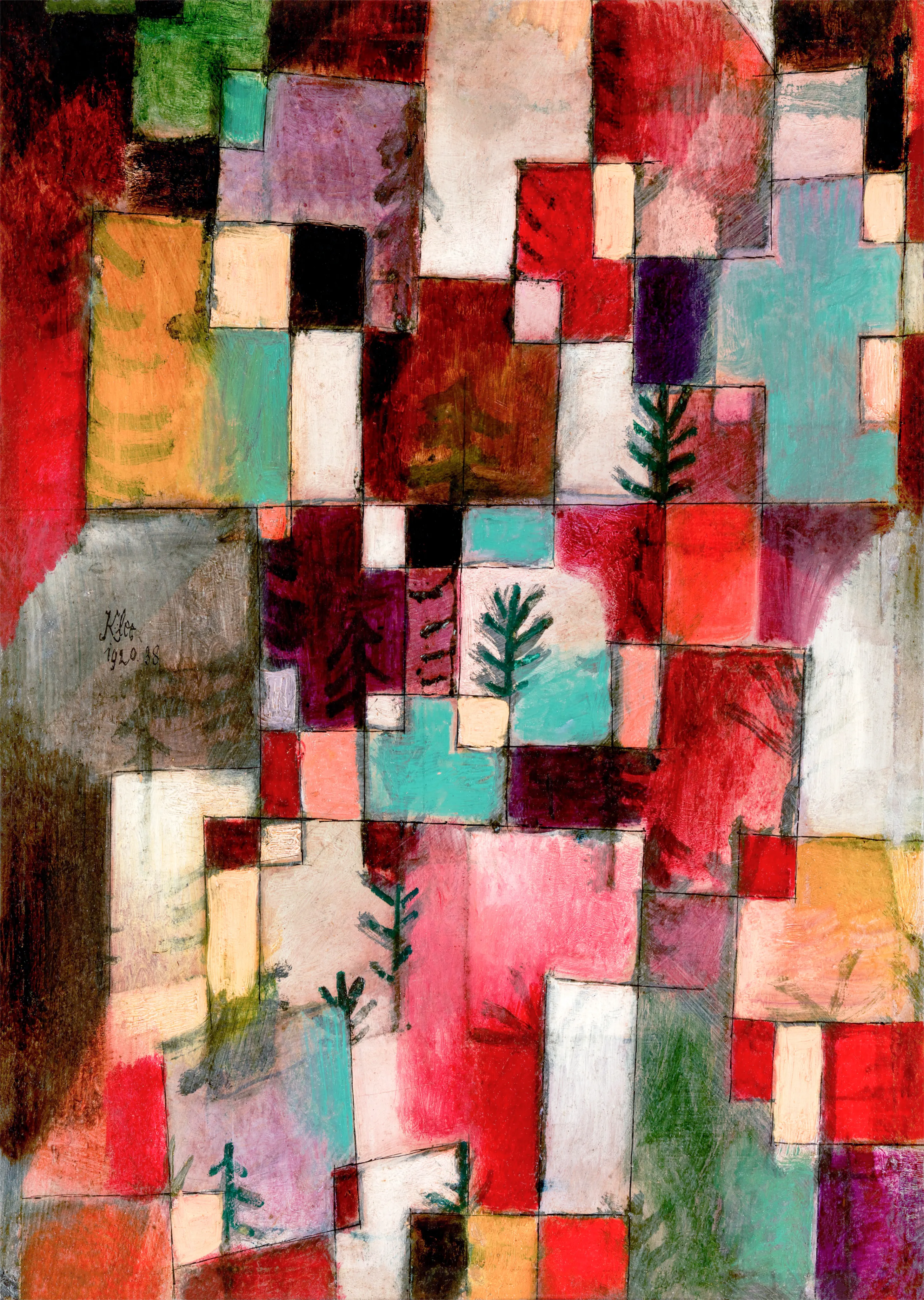
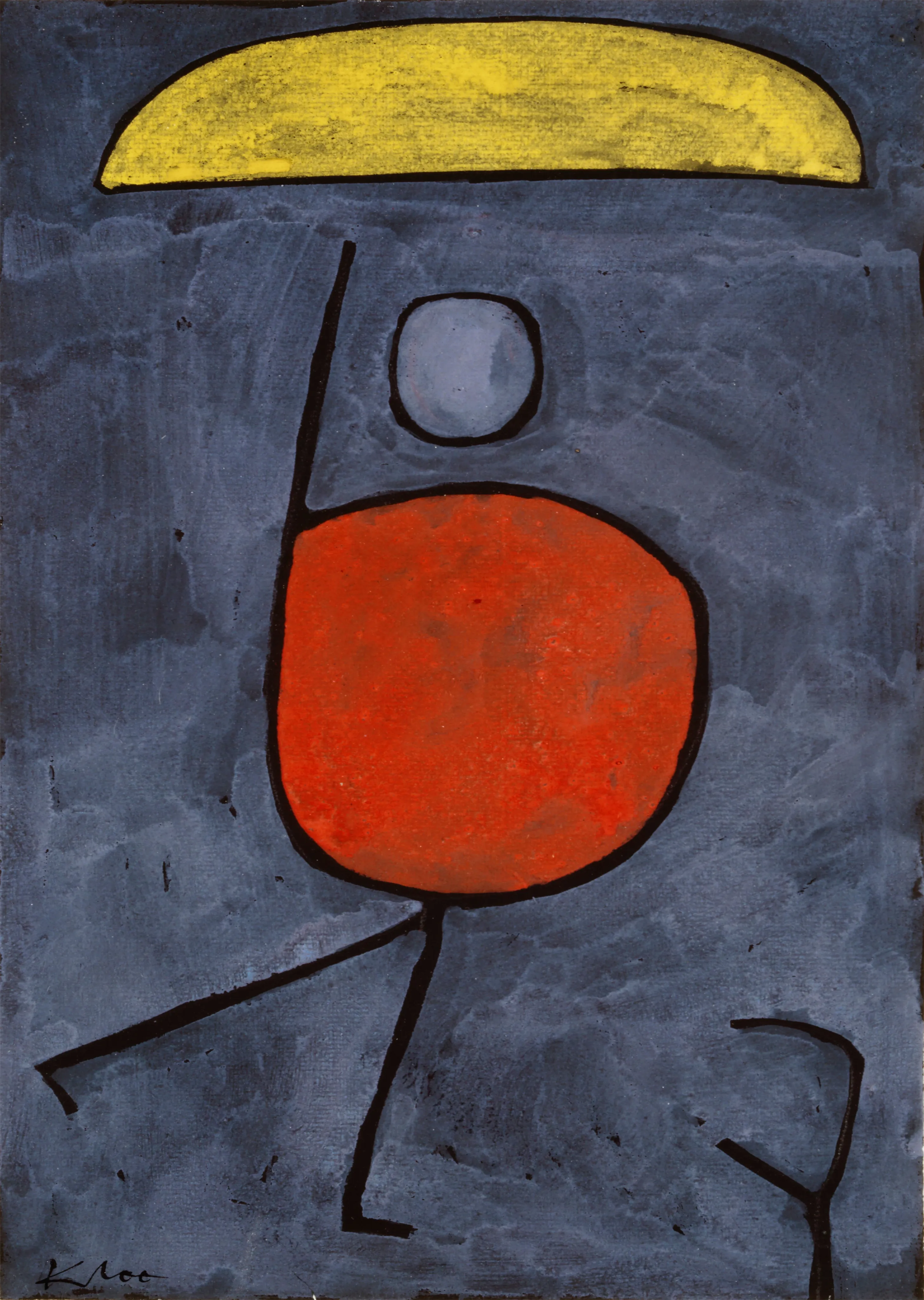
Paul Klee (1879–1940), Swiss-German painter and Bauhaus teacher, built a playful abstraction from colour fields, signs and soft washes. Here are “Ghost of a Genius”, “The Rose Garden”, “Full Moon”, “Temple Gardens” and “Rhythmical”, alongside abstract citadels, blossoms and figures, a Tuscan landscape and a solitary orange tree.
Bauhaus
FromNow €5.00Was €6.00
Bauhaus
FromNow €5.00Was €6.00
Bauhaus
FromNow €5.00Was €6.00
Bauhaus
FromNow €5.00Was €6.00
Bauhaus
FromNow €5.00Was €6.00
Paul Klee
FromNow €5.00Was €6.00
Paul Klee
FromNow €5.00Was €6.00
Bauhaus
FromNow €5.00Was €6.00
Bauhaus
FromNow €5.00Was €6.00
Paul Klee
FromNow €5.00Was €6.00
Bauhaus
FromNow €5.00Was €6.00
Bauhaus
FromNow €5.00Was €6.00
Try removing one — the counts beside each option say how many prints it would leave.
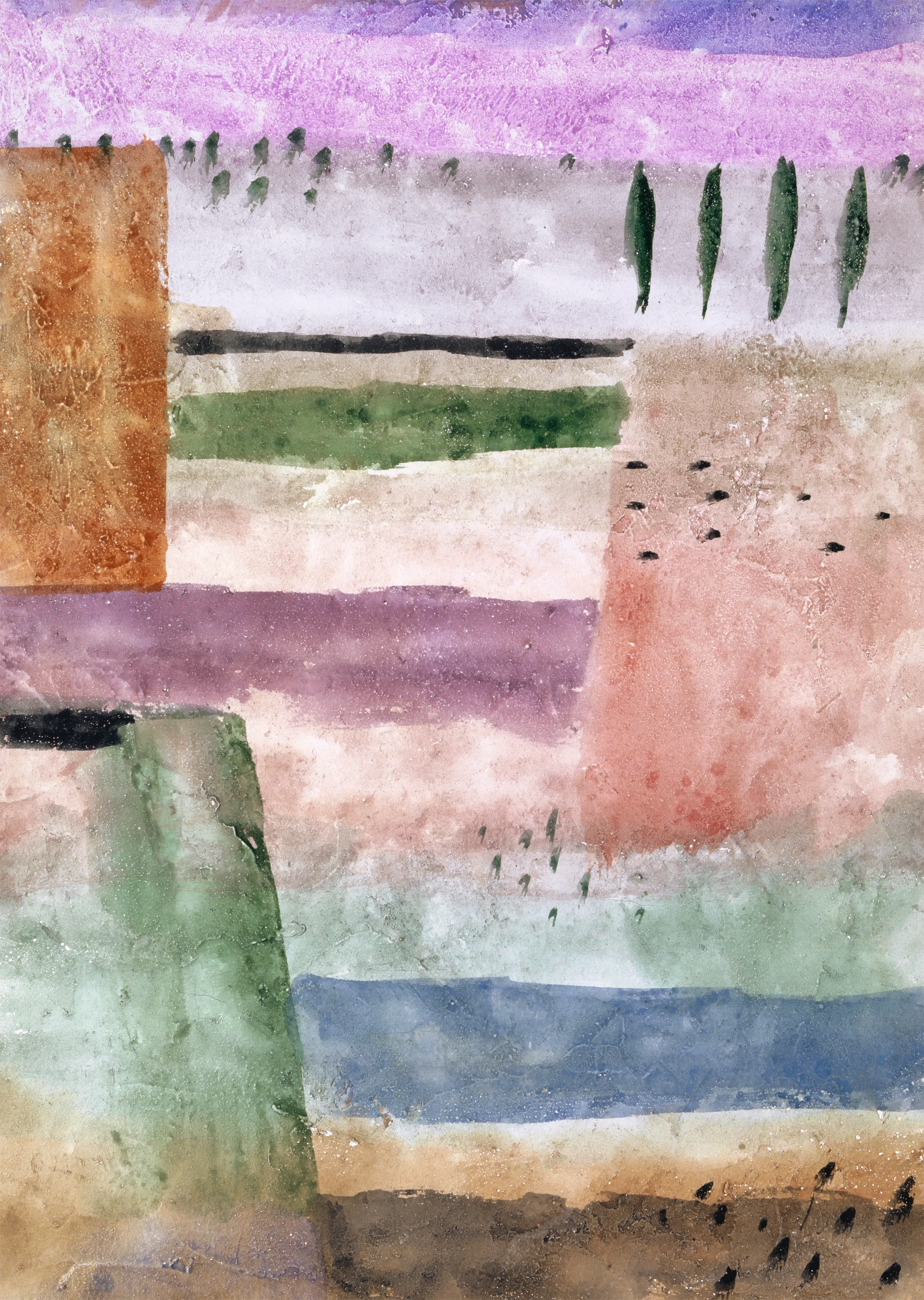
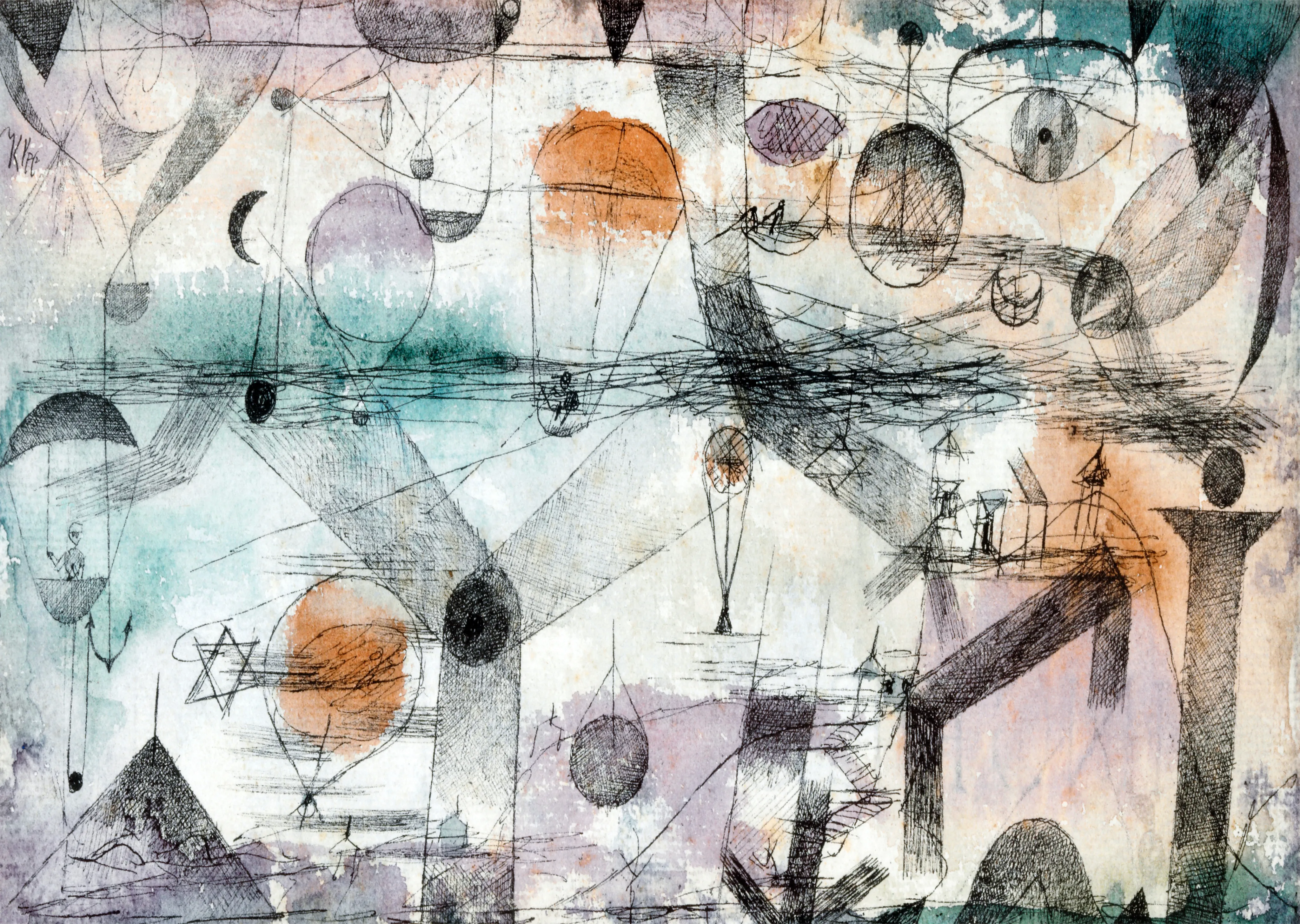
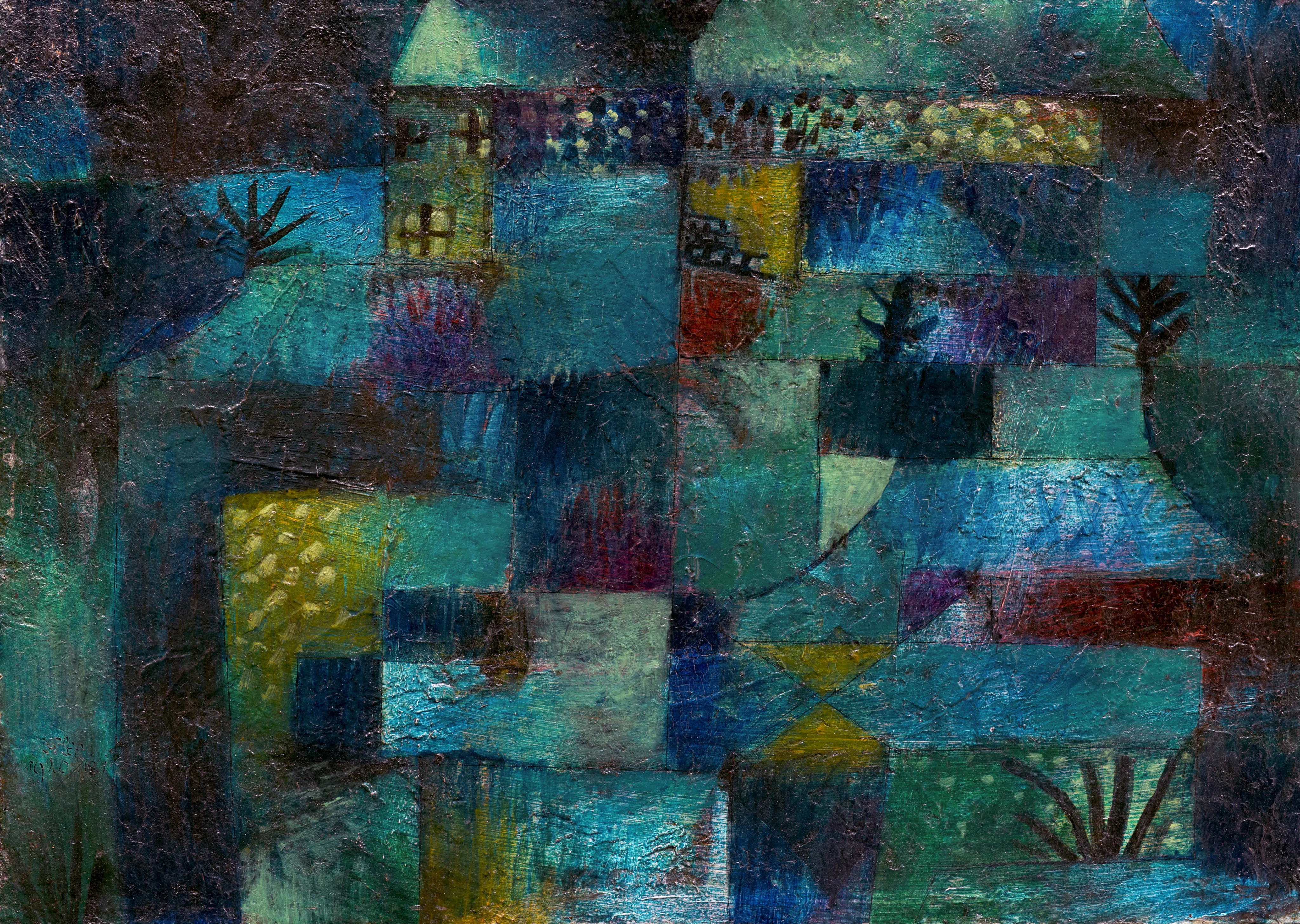
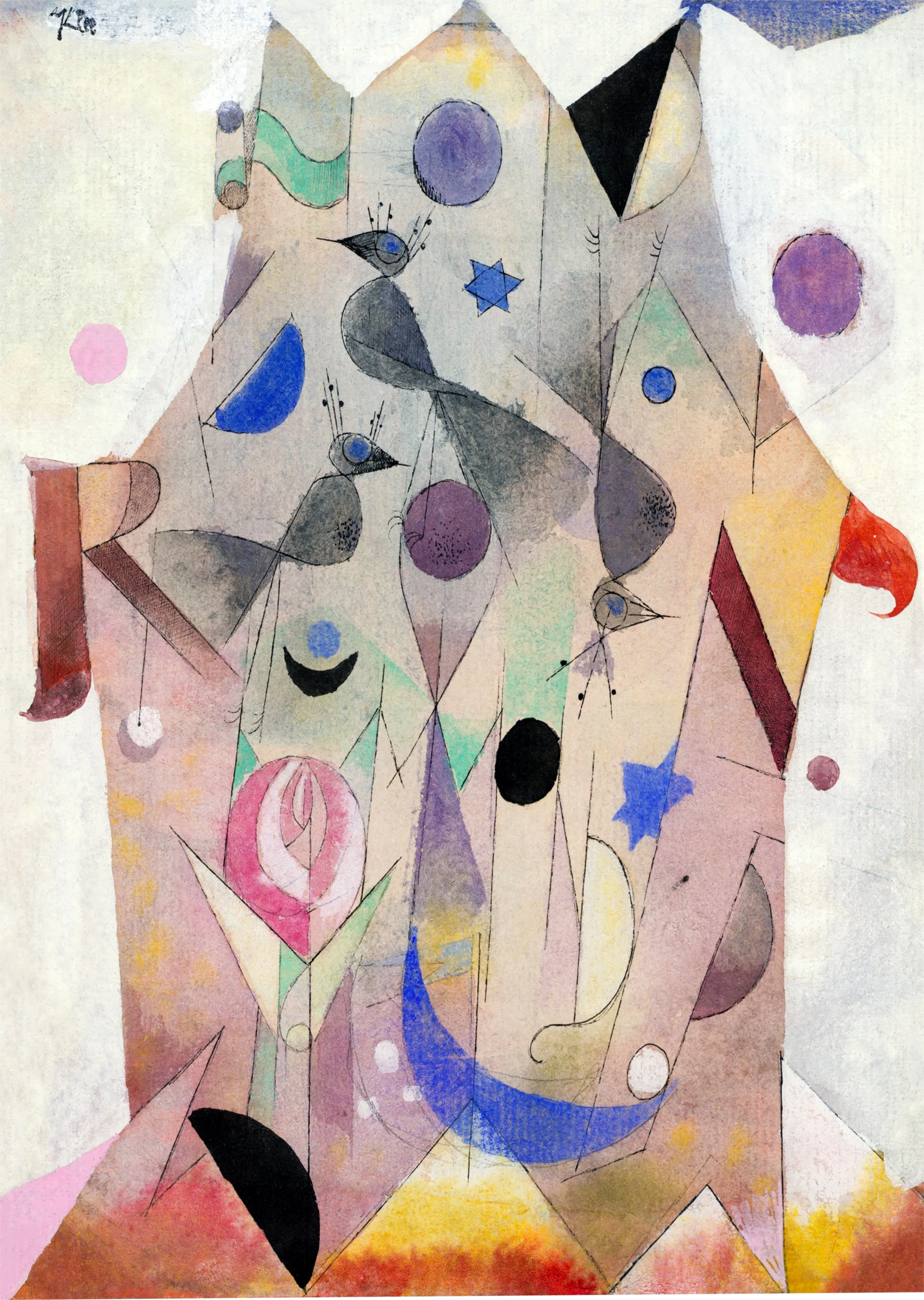
Clear allA journey to Tunisia in 1914 is often named as the moment colour took hold of Klee, and at the Bauhaus he taught the theory of form he had worked out in his own pictures. Many of his works are small, built from watercolour washes, grids of coloured squares and a wandering line, often mounted on card with the title written beneath.
“Ghost of a Genius” uses his oil-transfer technique: a drawing traced through a sheet coated with black paint leaves a soft, uneven line. “Temple Gardens” and “The Rose Garden” stack buildings and plants into strips of colour; a village at night is set in teal and indigo. All twelve works are reproduced as giclée prints with pigment inks, made to order in Berlin, on matte 210 g/m² fine art paper or 400 g/m² cotton canvas, A4 to A0.